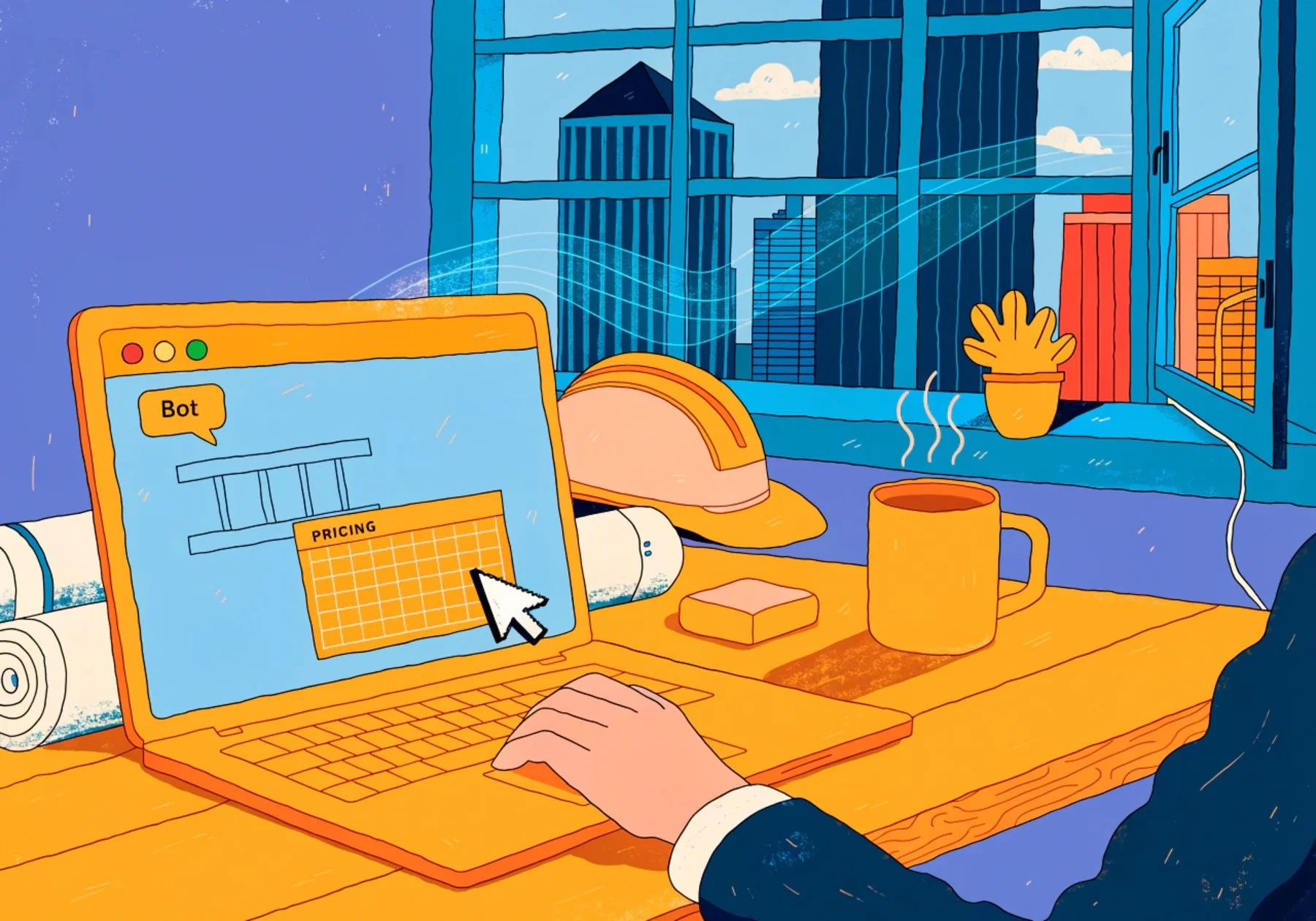
Shadow AI is the use of AI tools like ChatGPT, Gemini, Claude, or AI browser extensions by employees without IT approval or oversight. For architecture, engineering, and construction firms, it means drawings, bid pricing, contracts, and client data can leave your network in a single paste.
WideData helps Metro Atlanta AEC firms detect AI activity on every device, block sensitive data before it leaks, and give staff safe AI tools instead of banning them.
Key Takeaways
One in five organizations reported a breach tied to shadow AI in IBM's 2025 Cost of a DataBreach study, and heavy shadow AI use added about $670,000 to the average breach cost (IBM Newsroom).
Of the organizations breached through an AI incident, 97% lacked proper AI access controls (IBM).
Banning AI does not work. The answer is device-level detection, controls that block sensitive data from leaking, and approved tools your team wants to use.
WideData offers Atlanta-area AEC firms a free Shadow AI Vulnerability Check.
What is shadow AI?
Shadow AI is any artificial intelligence tool your employees use for work that your company has not approved, secured, or monitored. It is the AI version of "shadow IT," the unsanctioned apps IT has chased for years, with far higher stakes. A structural calc package pasted into a free chatbot is now stored on a third party's servers, potentially used to improve that vendor's models, and outside your firm's control forever.
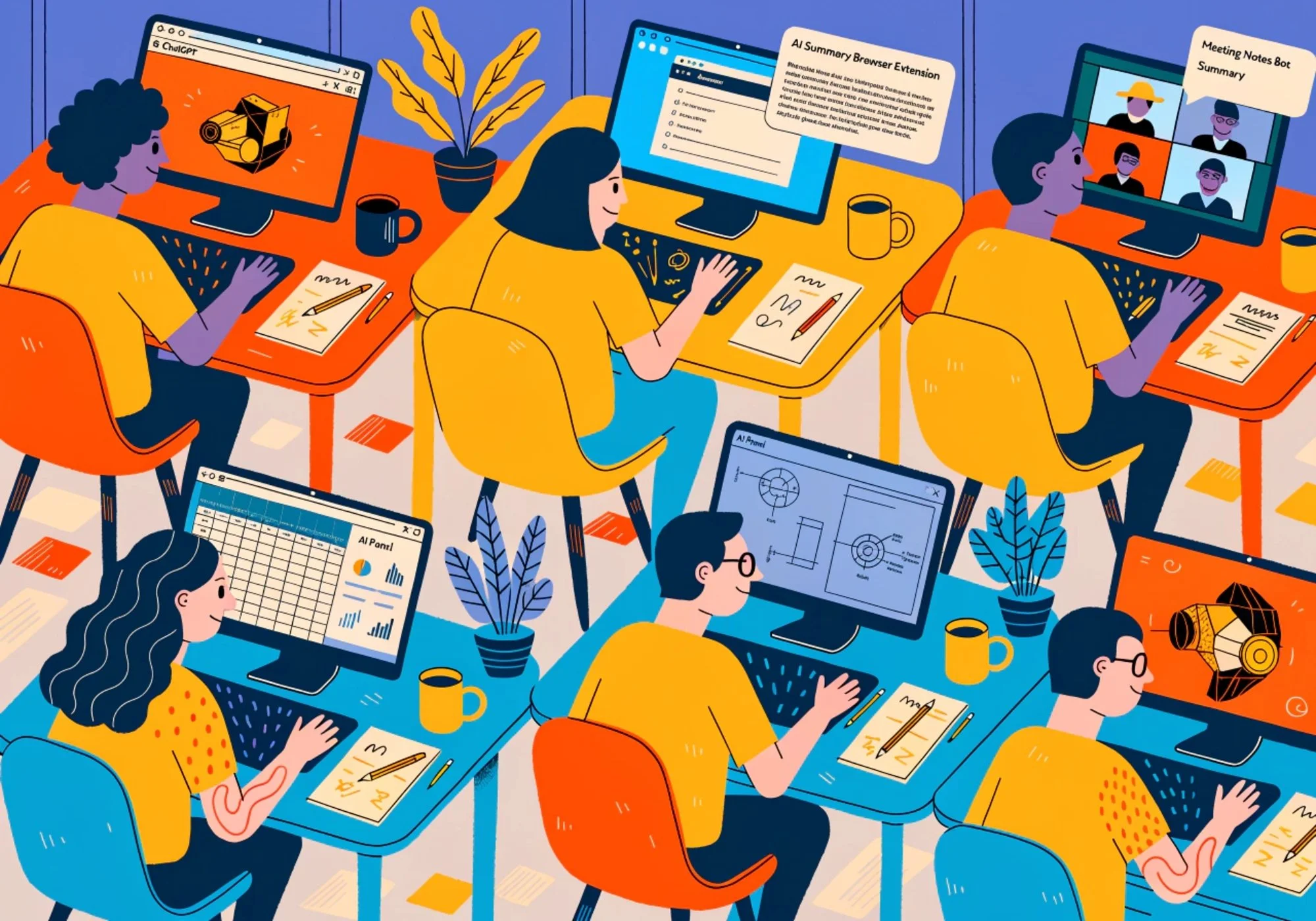
Shadow AI shows up in more places than most owners expect:
Free or personal-account chatbots (ChatGPT, Gemini, Claude, Copilot on a personal login)
Browser extensions that "summarize this page" or "rewrite this email"
AI meeting note-takers that join Teams calls and store transcripts in the cloud
AI features quietly switched on inside software your team already uses
None of this is malicious. Netskope's 2026 Cloud and Threat Report found generative AI adoption is frequently driven by employees on unmanaged services and personal accounts, and that data policy violations tied to genAI apps doubled in 2025 (Netskope). Your people are trying to work faster. Nobody has shown them where the lines are.
How common is shadow AI right now?
More common than leadership assumes. Microsoft's Work Trend Index found 78% of AI users bring their own AI tools to work (Microsoft WorkLab). A June 2026 PagerDuty survey of 1,250 office professionals found 66% had used AI tools they believed were not permitted, 88% had shared work information with public AI tools, 34% had entered customer data, and 31% had shared financial or confidential documents (PagerDuty).
In a 40-person firm, the question is not whether shadow AI is happening. It is what has already been shared.
Why shadow AI is a bigger problem for AEC firms
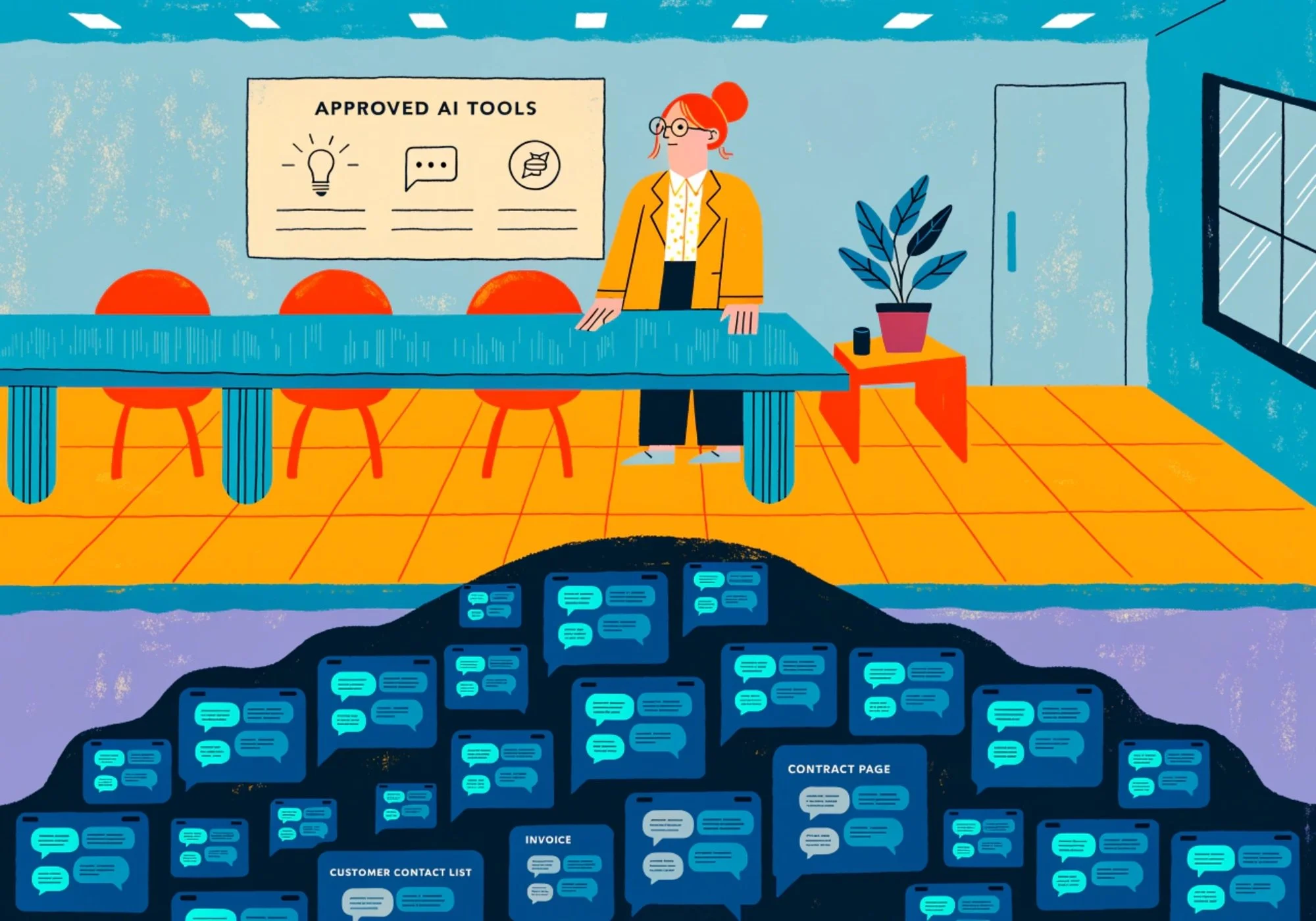
Architecture, engineering, and construction firms carry a heavier exposure than most industries:
You hold other people's secrets. Owner NDAs, developer pro formas, and pre-bid pricing live in your inbox. A project manager who asks a free chatbot to "clean up this RFI response" may have just disclosed a client's confidential project.
Your intellectual property is your product. Details, specifications, and calc methods took decades to develop. IBM found shadow AI incidents compromised intellectual property at a higher rate (40%) than the global average (33%) (IBM Newsroom).
Bid integrity depends on it. Subcontractor rates, markup strategy, and claim positions are exactly the "confidential company documents" nearly a third of workers admit sharing with public AI.
Compliance follows the contract. Federal, DoD, GDOT, MARTA, healthcare, and K-12 projects carry contractual data-handling obligations, including CUI and CMMC requirements on defense-related work. Unapproved AI use can put those contracts, and the next one, at risk.
Your ERP is a target. Deltek Vantagepoint holds project financials, labor rates, and utilization data. Exporting a report and pasting it into a chatbot for "analysis" moves that data outside every control you have paid for.
Why banning AI backfires
Blanket bans push usage to personal phones and home laptops where you have zero visibility, and they cost you talent. In the PagerDuty study, 77% of professionals said restrictive AI policies were limiting their career growth, and 75% would look for a job with better AI skills development(PagerDuty). The firms that win will make AI safe, not forbidden.
How WideData detects and prevents shadow AI risk for Atlanta AEC firms
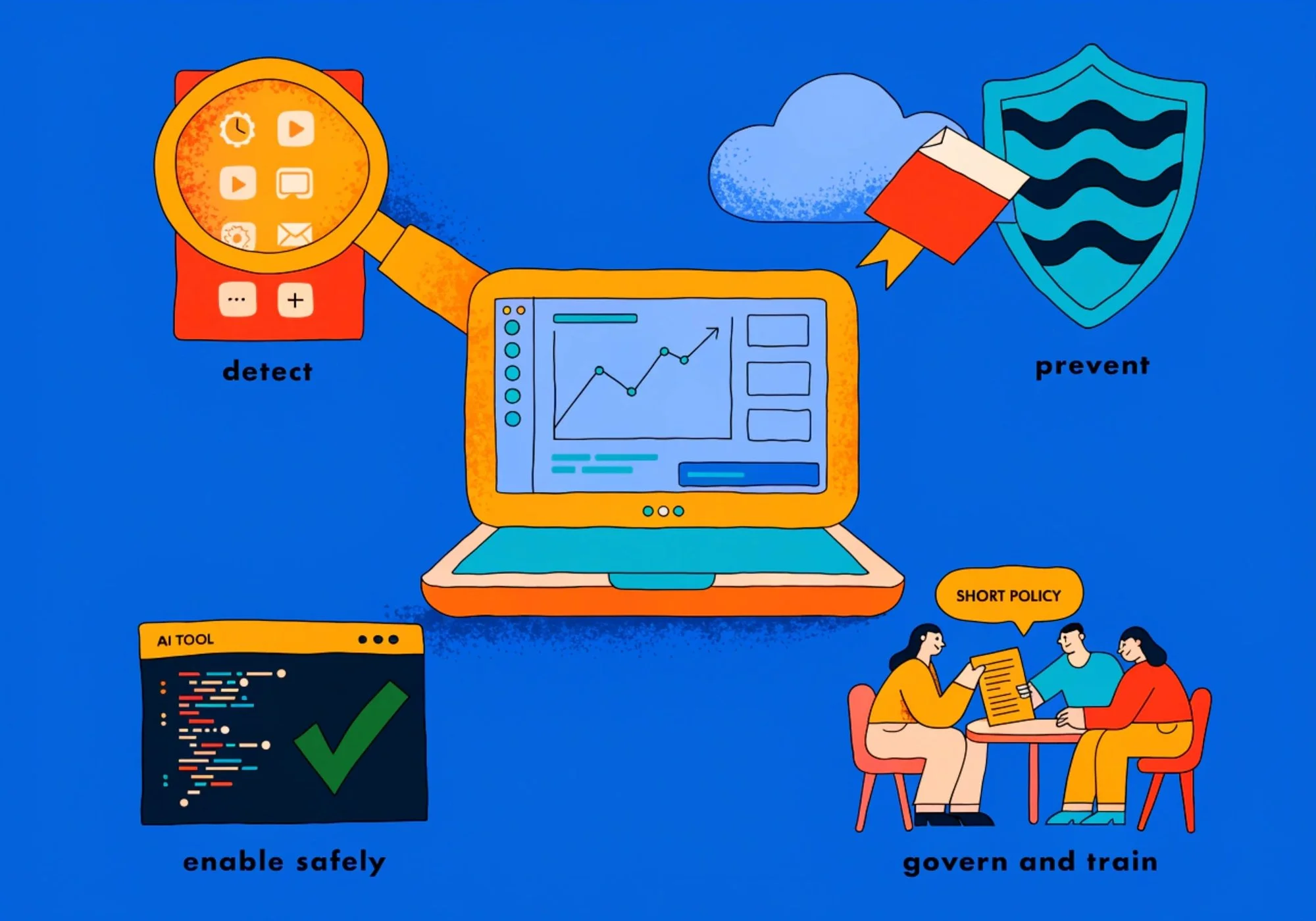
WideData has spent decades running IT, security, and Deltek environments for architects, engineers, and contractors across Metro Atlanta. We approach shadow AI the way we approach ransomware: find the exposure, close it, and keep it closed. Our framework has four steps.
1. Detect
You cannot govern what you cannot see. We deploy endpoint security tools that scan every workstation and laptop for AI application activity, including browser-based chatbots, extensions, and meeting bots, then combine that with network and Microsoft 365 data to inventory which AI services your firm uses and who uses personal accounts. Most firms are surprised by the list.
2. Prevent
We identify the data that must never reach a public model: client PII, pre-bid pricing, sealed drawings, contracts, CUI, and ERP exports. Device-level data loss prevention, sensitivity labels, and access controls then block a sensitive paste or upload into an unapproved AI tool in real time, and alert our team when it happens.
3. Enable safely
We help you configure sanctioned AI tools with enterprise data protection, such as Microsoft 365 Copilot or business-tier accounts where prompts are not used for training, and write a plain-English AI acceptable use policy tuned to how AEC teams work, from spec writing to submittal review.
4. Govern and train
Our 24/7 SOC and endpoint monitoring watch for new AI apps and risky data movement across every device, and short, role-specific training shows project managers, estimators, and designers what is approved and why. Quarterly reviews keep the policy current.
This works whether you outsource IT entirely or have an internal IT lead who wants a co-managedpartner to own AI governance.
Frequently asked questions
Is shadow AI the same as shadow IT?
It is a subset. Shadow IT covers any unapproved technology. Shadow AI covers AI toolsspecifically, with the added risk that entered data may be retained or used to train third-party models.
Do I need to block ChatGPT completely?
No. Block personal-account use of public AI tools while enabling an approved, enterprise-gradealternative. Employees keep the productivity; you keep the controls.
Does a small firm really need an AI policy?
Yes. Only 37% of organizations in IBM's study had policies to manage AI or detect shadow AI (IBMNewsroom). A two-page policy plus technical controls is enough for most 10–100 person AEC firms.
How long does a shadow AI assessment take?
WideData's Shadow AI Vulnerability Check typically takes one to two weeks and produces afindings report and a prioritized implementation plan.
Get a Complimentary Shadow AI Consultation
If your firm is in Norcross, Buckhead, Atlanta or anywhere in the metro area and you do not have a clear picture of how AI is being used inside your business, let's talk. Sit down with WideData for a complimentary Shadow AI consultation. We'll discuss where your firm is exposed, answer your questions, and map out practical next steps for safe, productive AI use.
Schedule Your ConsultationBy Rich Edmundson, President of WideData
Rich Edmundson leads WideData's managed IT and technology consulting services from the company's Norcross, Georgia headquarters. WideData provides managed IT, co-managed IT, cybersecurity, and Deltek Vantagepoint services to architecture, engineering, and construction firms across Metro Atlanta.
Sources cited in this article
IBM Newsroom, "IBM Report: 13% of Organizations Reported Breaches of AI Models or Applications, 97% of Which Reported Lacking Proper AI Access Controls" (July 30, 2025) — newsroom.ibm.com
IBM Think, "2025 Cost of a Data Breach Report: Navigating the AI rush without security debt" — ibm.com/think
Netskope, "Cloud and Threat Report: 2026" — netskope.com
PagerDuty, "PagerDuty Report Finds Two-Thirds (66%) of Office Professionals Have Used Unauthorized AI Tools at Work" (June 11, 2026) — pagerduty.com
Microsoft WorkLab, "AI at Work Is Here. Now Comes the Hard Part" (Work Trend Index) — microsoft.com/worklab
"WideData has been a crucial partner for the achievement of our business. Thanks to their forward-looking and responsive support, our workers always can remain productive."
— Chad Forster, P.E., Senior Associate, PES Structural Engineers